The apparel industry is undergoing a seismic shift, and print‑on‑demand (POD) is no longer a niche experiment—it is becoming the dominant operating model for the next decade.
With the global POD market surpassing $10.2 billion in 2024 and projected to reach $36.5 billion by 2032, we recognize that our traditional high‑volume, long‑lead‑time production model is no longer sustainable. Geopolitical volatility, shifting consumer preferences, and the exploding demand for personalisation have made it clear:
our clients no longer want generic bulk stock; they want unique, expressive garments delivered fast.
As a manufacturer, we have seen 84% of European and American consumers express interest in personalised apparel, and we know that if we do not pivot from being a passive producer of inventories to an agile partner in on‑demand digital ecosystems, we will be left behind.
That is why we have already begun our transformation—not as a reluctant follower, but as a proactive leader redefining what a modern factory can offer.
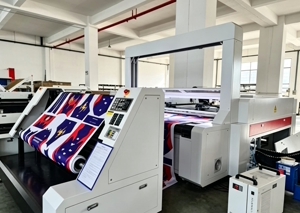
Our first strategic move has been a major investment in digital printing infrastructure and fully automated workflow systems.
We have equipped our factory floor with industrial‑grade Direct‑to‑Garment (DTG) printers that deliver full‑colour, high‑definition designs directly onto fabric with zero setup costs—a stark contrast to traditional screen printing. Our smart DTG solutions feature waterless, automated printing with built‑in garment recognition, making short‑run production not only economically viable but also genuinely sustainable. However, we understand that hardware alone is insufficient; we have re‑engineered our entire production line into a “Smart Hub” where every stage—from AI‑assisted design generation to automated curing and shipping label printing—is seamlessly connected.
By implementing QR‑code‑based workflow systems, we now maintain consistent quality control across thousands of small‑batch orders, while delivering turnaround times as short as 48 hours. Our pre‑treatment at the mill level and direct‑to‑customer shipping have significantly reduced landed costs, all without compromising the hand‑feel, drape, or durability of our fabrics.
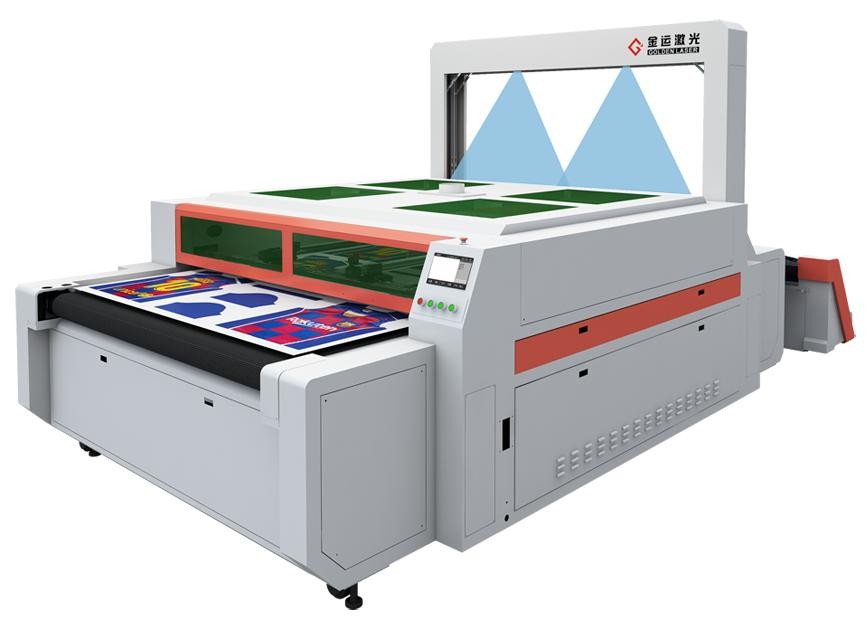
Beyond technology, we have vertically integrated our supply chain to offer our clients true design and brand freedom.
Unlike conventional POD providers that rely on external blank vendors—which constrain fabric choices, restrict print positions, and cause 7‑to‑10‑day delays—we now control garment production, digital printing, and finishing under one roof. This vertical integration empowers us to provide capabilities that most competitors cannot match: layering embroidery over printed backgrounds, supporting 18 different print positions (including jumbo 24×24" designs), and offering zero‑inventory branding with custom woven labels, heat transfers, and bespoke packaging.
By owning the entire cycle from yarn sourcing to finished garment, we can guarantee 48‑hour production turnaround while ensuring flawless colour consistency across cotton, polyester blends, and high‑performance active wear fabrics. This allows us to move beyond commoditised T‑shirts into premium categories such as quarter‑zips, golf polos, and performance sportswear—where customisation commands higher margins and builds lasting brand loyalty for our partners.
The garment collection will cover not only POD golf wear, POD outdoor clothing, POD active wear , but also POD equestrian wear and customized MTB jersey, etc. depends on how big range in our traditional garment production.
Finally, we have transformed our business model from a mere order‑taker to a technology‑enabled service partner.
We now integrate directly with our clients’ e‑commerce platforms via robust API connections, enabling one‑click customisation and automated order routing. Our in‑house AI‑powered design tools automatically generate print‑ready files from customer uploads, eliminating pre‑press bottlenecks and reducing error rates to near zero.
We provide radical transparency—offering real‑time visibility into production status, raw material inventory, and shipping timelines through a dedicated client dashboard. What we offer is not just production capacity, but a complete on‑demand ecosystem: design tools, flexible minimums (as low as one piece), multi‑decoration options (DTG, DTF, sublimation, and embroidery), and integrated logistics.
As the industry converges toward connected digital manufacturing environments, we are proud to be at the forefront—embracing the digital thread from design to dispatch, eliminating manual touchpoints, and delivering personalised garments at scale.
The POD revolution is not coming; it is already here, and we are fully equipped, committed, and ready to lead the way for our brand partners. The question is not whether we can adapt—it is how quickly we can help you grow with us.
Tags :

Address : 3F, NO.2#, NO.1169, Road Jicheng, Tong'an District
Tel/Fax : 18659565121
Whatsapp : +8615959180430
Email : Sales_alin@alproapparel.com